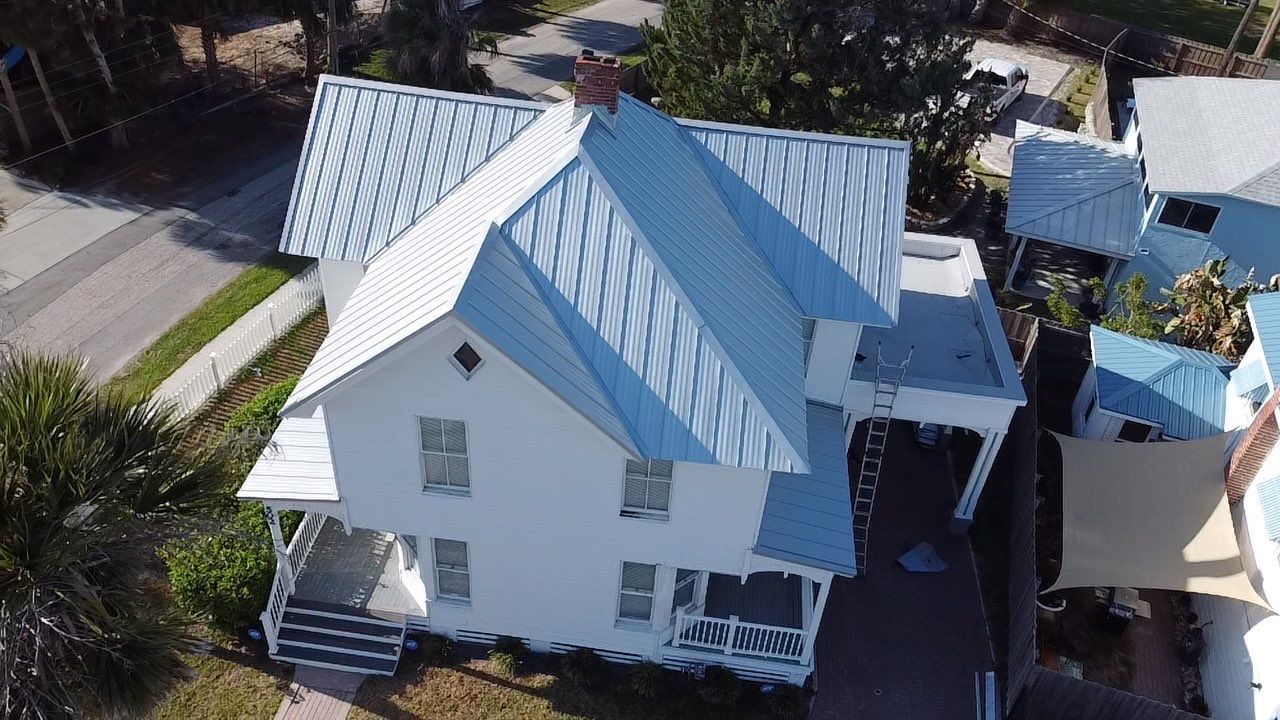
Looking for metal roofing strength without the standing seam price tag? Exposed fastened metal roofing, often called R Panel, PBR, delivers long lasting performance, quick installation, and great value. Pinnacle Roofing Group installs Exposed Fastened metal roofs across Sanford, Lake Mary, Orlando, Deltona, and throughout Central Florida, engineered for Florida’s heat, rain, and storm season.
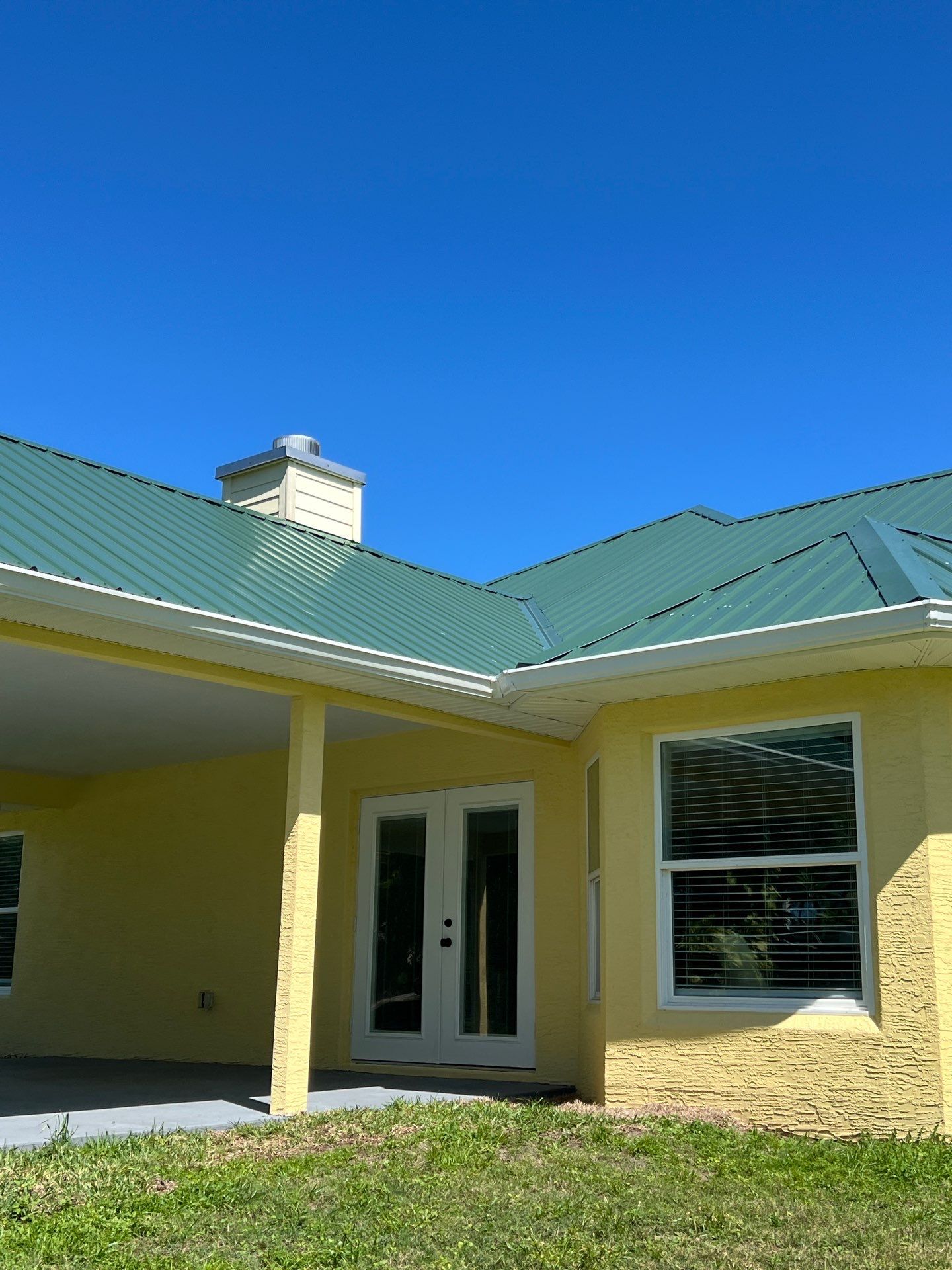
Exposed Fastened systems use metal panels secured with visible, gasketed fasteners (screws with EPDM/Neoprene washers). It’s a proven, cost effective option for homes, garages, barns, workshops, and light commercial buildings that need strength, style, and speed.
Great fit for:
Residential re roofs & additions
Garages, barns, carports, workshops
Retail, warehouses, self storage & light industrial
Coastal or inland properties (material choice matters see below)
Value: Typically 20 to 40% less than standing seam, with metal roof longevity.
Fast Install: Larger panel widths equals fewer seams & quicker dry in.
Durable: Resists wind, rain, and UV; modern finishes reduce chalk/fade.
Low Maintenance: Periodic screw/washer checks keep the system tight.
Energy Smart: High reflectivity “cool” colors can help reduce heat gain.
Common Profiles (we’ll match to your roof slope & design):
R Panel / PBR: rigid ribs, great for homes & light commercial
Base Metals & Gauges
Galvalume® steel (most popular): typically 26 ga (or 24 ga for upgrades)
Aluminum (coastal upgrade): excellent corrosion resistance near salt air
Fasteners: corrosion resistant, painted heads, EPDM washers
Finishes / Paint Systems
PVDF (Kynar® 500/Hylar®): top tier chalk/fade resistance & color retention
SMP: solid value and wide color selection
We’ll recommend the right profile, gauge, coating, and fastener system based on your slope, exposure, and distance from the coast.
Wind & Rain: Panel layout, clip/fastener schedules, and closures sized for Florida conditions (installed per manufacturer details & local code).
Heat & UV: High temp underlayments and reflective finishes help the roof last.
Corrosion: Coastal projects often get aluminum panels & stainless fasteners.
Water Tight Details: Butyl tape, sealants, foam closures, boots & flashings at all penetrations.
| Feature | Exposed Fastened Metal | Standing Seam Metal | Architectural Shingles |
|---|---|---|---|
| Cost | $ (most budget friendly metal) | $$ to $$$ | $ |
| Lifespan | Long (with maintenance) | Longest (premium) | Good |
| Maintenance | Periodic screw/washer checks | Minimal | Periodic |
| Looks | Ranch/modern farmhouse/industrial | Sleek/modern | Traditional |
| Best For | Value + metal performance | Premium look & longest life | Lowest upfront cost |
Assessment & Options: We inspect your roof & recommend profiles/finishes.
Design & Permitting: Florida code compliant plans and materials.
Preparation: Tear off (or recover when appropriate), deck repairs, underlayment.
Panels & Flashings: Precision cuts, sealed laps, closures & penetrations.
Quality Check & Cleanup No-Nail Left Behind™ magnet sweep.
Final Walkthrough: Photos, maintenance tips, and warranty documentation.
Annual and biannual check of exposed screws & washers
Reseal penetrations & replace aging washers as needed
Gentle wash to remove debris, salt in coastal zones
Keep gutters, valleys clear to prevent standing water
With proper installation and periodic maintenance (fastener/washer checks), Exposed Fastened metal systems can deliver decades of service.
Screws are sealed with EPDM/Neoprene washers. Over years, some washers can age or screws can back out due to thermal movement routine inspection and replacement where needed keeps the system tight.
Yes, choose aluminum panels with stainless fasteners and a premium PVDF finish for best corrosion resistance. We’ll spec the right package based on your proximity to salt air.
It depends on profile & manufacturer details. Many residential profiles are ideal at 3:12 and above; some PBR systems can be used on lower slopes with sealant strategies. We’ll verify suitability for your roof.
You can install them over existing shingles, but we do not recommend doing this. There is no way to know if the decking is completely up to code, and there could be rotten wood as well so putting the screws through that will not hold to pannels properly. As well as it will be more weight on the home itself. Upgrading to peel n stick as well as removing the old shingles will help the house from soaking in unnecessary heat.
On a properly decked & insulated home, noise is comparable to shingles. Underlayment and attic insulation dampen sound significantly.