

3 Types of Roof Underlayment: Which One Does Your Florida Home Need?

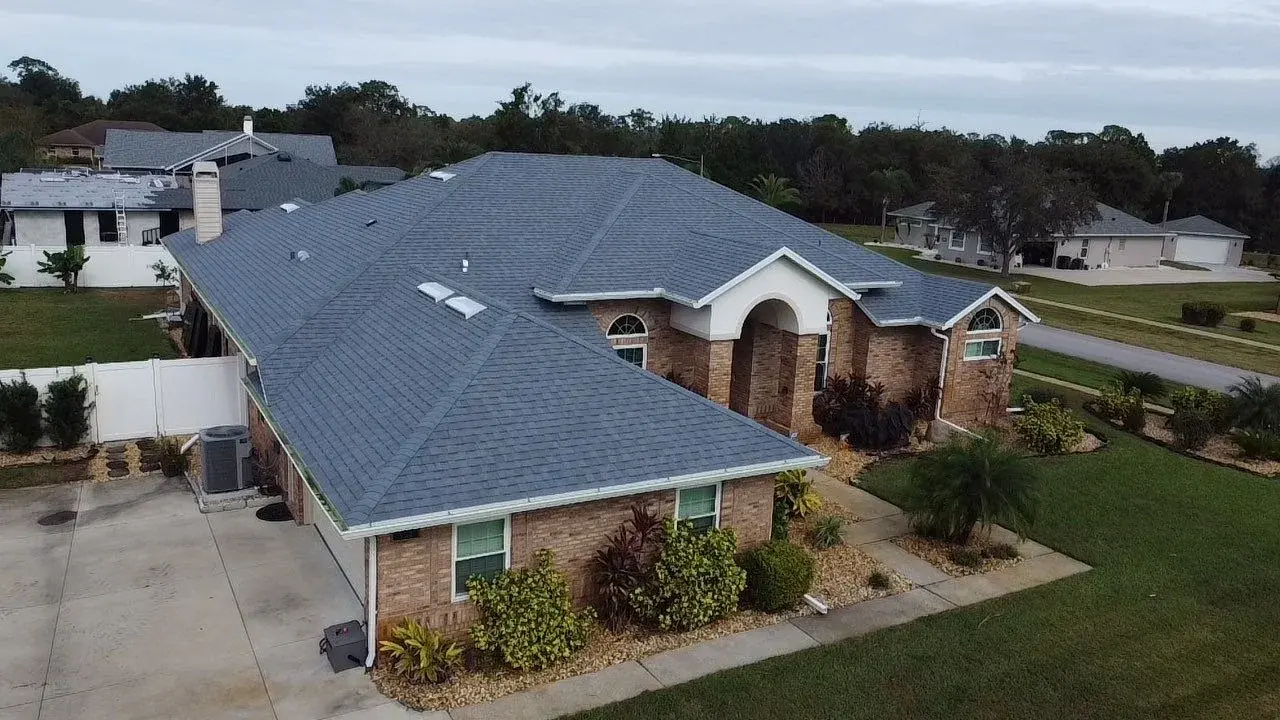
Comparison of roof underlayment options showing traditional tar paper, modern synthetic underlayment, and premium peel and stick

The Hidden Layer That Protects Your Home

Most homeowners focus on shingles or metal panels when choosing roofing materials, but the underlayment beneath those visible materials is arguably just as important, especially in Florida. Underlayment is your roof’s secondary waterproofing barrier. If wind-driven rain gets past the shingles (which it will during a hurricane), the underlayment is what stands between the storm and your home’s interior.

1. Asphalt-Saturated Felt (Tar Paper)

Traditional felt paper has been used under roofing for decades. Available in 15-lb and 30-lb weights, it provides basic water resistance at a low cost. However, felt has significant limitations in Florida. It tears easily during installation and high winds, absorbs moisture and wrinkles when exposed to rain before shingles are installed, and degrades faster in extreme heat. While it meets minimum Florida Building Code requirements, felt is increasingly being replaced by superior alternatives.

2. Synthetic Underlayment

Synthetic underlayment is made from woven polypropylene and has become the industry standard for Florida roofing projects. It’s lighter than felt, dramatically stronger (won’t tear during installation or high winds), lies flat without wrinkling, and provides excellent UV resistance if exposed during the roofing process. Synthetic underlayment handles Florida’s heat without degrading and provides better traction for installers on steep slopes. Most quality contractors, including Pinnacle Roofing Group, now use synthetic as their standard.

3. Peel-and-Stick (Self-Adhered) Underlayment

Peel-and-stick underlayment is the premium option and is required by Florida Building Code in certain high-risk areas. This rubberized asphalt membrane adheres directly to the roof deck, creating a watertight seal even when penetrated by nails. Florida code requires peel-and-stick along eaves and valleys, but many homeowners in hurricane-prone areas like Palm Coast and Melbourne opt for full-deck peel-and-stick application for maximum storm protection.

What Florida Code Requires

Florida Building Code specifies minimum underlayment requirements based on your location and roof slope. In the High Velocity Hurricane Zone (HVHZ) and Wind-Borne Debris Regions, enhanced underlayment is mandatory. During a roof replacement, your contractor must install underlayment that meets or exceeds these local requirements. Cutting corners on underlayment saves a small amount upfront but leaves your home vulnerable during exactly the conditions you need protection most.

Get the Right Underlayment for Your Roof

Pinnacle Roofing Group uses premium synthetic and peel-and-stick underlayment systems on every installation across Central Florida. We never cut corners on the materials you can’t see, because that’s where real storm protection lives. Serving Orlando, Daytona Beach, and all surrounding communities. Get your free estimate today.

Frequently Asked Questions

What is roof underlayment and why does it matter?

Roof underlayment is a protective layer installed between the roof deck and the shingles or other roofing material. It acts as a secondary water barrier that protects your home if the outer roofing layer is damaged. Florida Building Code requires underlayment on all roofs.

What type of roof underlayment is best for Florida?

Synthetic underlayment is the preferred choice for most Florida applications. It is stronger, lighter, and more resistant to UV exposure and moisture than traditional felt paper. Self-adhering peel-and-stick underlayment provides the highest level of protection for hurricane-prone areas.

Does Florida require peel-and-stick underlayment?

Florida Building Code requires a secondary water barrier in the high-velocity hurricane zone, which peel-and-stick underlayment satisfies. Outside the HVHZ, it is not always required by code but is strongly recommended for enhanced storm protection.

How much does roof underlayment cost?

Felt underlayment costs approximately $0.10 to $0.25 per square foot. Synthetic underlayment runs $0.25 to $0.75 per square foot. Peel-and-stick costs $0.50 to $1.50 per square foot. The material cost is modest relative to the protection it provides.

Frequently Asked Questions

What is roof underlayment and why does it matter?

Roof underlayment is a protective layer installed between the roof deck and the shingles or other roofing material. It acts as a secondary water barrier that protects your home if the outer roofing layer is damaged. Florida Building Code requires underlayment on all roofs.

Synthetic underlayment is the preferred choice for most Florida applications. It is stronger, lighter, and more resistant to UV exposure and moisture than traditional felt paper. Self-adhering peel-and-stick underlayment provides the highest level of protection for hurricane-prone areas.

Florida Building Code requires a secondary water barrier in the high velocity hurricane zone, which peel-and-stick underlayment satisfies. Outside the HVHZ, it is not always required by code but is strongly recommended for enhanced storm protection.

Felt underlayment costs approximately $0.10 to $0.25 per square foot. Synthetic underlayment runs $0.25 to $0.75 per square foot. Peel-and-stick costs $0.50 to $1.50 per square foot. The material cost is modest relative to the protection it provides.

Call (386) 631-5566
Visit pinnacleroofinggroup.com
Schedule your free coastal roofing assessment

Serving all of Central Florida with specialized roofing expertise since 2019. Atlas PRO+ Diamond Select certified. 400+ five-star reviews. Complete roofing systems engineered for salt air environments.

Unlocking The Truth Behind Your Estimate

5 Common Roofing Scams

Saftey At Your Home