
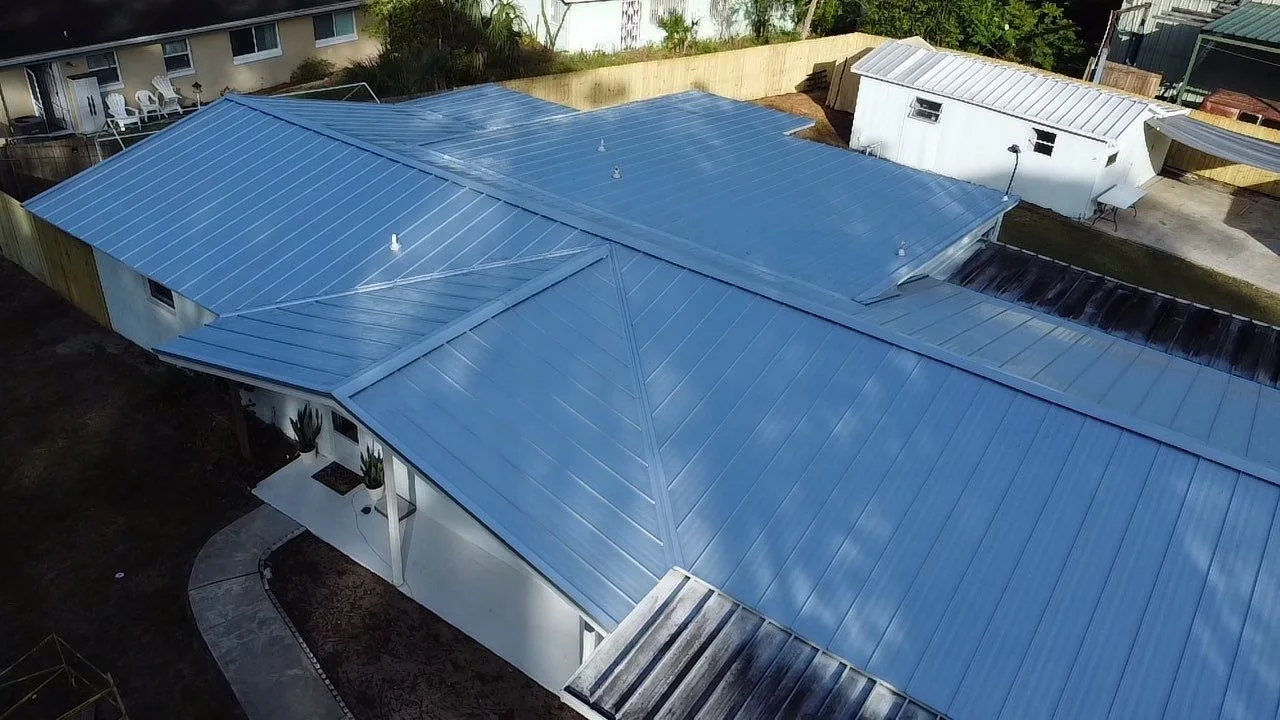





Do not diagnose the roof from one photograph
Finding a leak or a missing piece of roofing after a storm raises an understandable question: did the storm cause it? The timing is useful information, but it is not the whole assessment. Record when you first noticed the problem, where it appeared, and whether you had seen anything similar before. Gather older photographs and repair records so the evaluator has a history to compare.
Ask the inspector to distinguish observations from conclusions
Request photographs and plain-language notes about what was observed. Ask which findings support the proposed explanation, whether multiple causes are possible, and what could not be inspected. A report should make uncertainty visible. You should be able to understand why a repair or replacement is being recommended without accepting a label such as storm damage on its own.
- What changed compared with the available earlier records?
- Which roof areas need additional investigation?
- What temporary protection or further assessment is being proposed?
- Can I receive a copy of the findings and estimate?
Keep safety and insurance questions separate
Stay out of damaged structures and away from downed power lines; follow local emergency instructions. Document from a safe location and arrange an assessment when conditions permit. Send insurance questions to your insurer with the actual report and photographs. A roofing observation does not determine coverage by itself. Keep the original files, dates, and correspondence together, and ask for clarification if the explanation changes as more information becomes available.
Document the condition before deciding the scope.
After a storm, begin with observations you can make safely from inside or from the ground. Record where you see water or visible damage and when you first noticed it. Roof findings, construction recommendations and insurance coverage are separate questions that should be documented separately.
When arranging the assessment
Describe active leaks, affected rooms and visible exterior changes. Share photos you already have, earlier roof records and the approximate timing of the event. Ask about current availability and temporary protection separately from the permanent repair scope.
Read the supporting guidance: IBHS: roof weathering and maintenance