
Coastal Roofing for Daytona Beach & Ormond Beach: Salt Air, Wind, and Your Roof

If you own a home in Daytona Beach or Ormond Beach, your roof faces challenges that inland Central Florida homeowners never experience. Salt air, coastal winds, higher humidity, and hurricane exposure create a unique environment that demands specialized roofing knowledge, and most contractors don’t have it.

This comprehensive guide explains exactly what makes roofing Daytona Beach and Ormond Beach properties different, which materials hold up to salt air corrosion, how distance from the ocean affects your roof’s lifespan, and what you need to know before hiring a roofer in Daytona Beach or Ormond Beach for your next project.

After completing over 3,000 roof installations across Volusia County, including hundreds of beachside and oceanfront properties, we’ve learned exactly what works in coastal environments and what fails prematurely. Whether you’re one block from the beach or five miles inland, understanding these differences can save you tens of thousands of dollars in premature roof replacement costs.

Daytona Beach beachside roofing oceanfront property salt air environment

Why Coastal Roofing Is Completely Different

The moment you drive over the bridge onto the beachside of Daytona Beach or Ormond Beach, the roofing environment changes fundamentally. The air you breathe contains salt particles. The humidity increases measurably. The wind patterns shift. And your roof’s lifespan can drop by 30-40% if you don’t account for these factors.

The Salt Air Reality

Salt air isn’t just an abstract concern, it’s a corrosive force that attacks every component of your roofing system.

What salt air does to roofing materials:

  • Metal corrosion: Standard steel fasteners (nails, screws) rust 3-5x faster in salt air. Galvanized fasteners that last 20+ years inland fail in 8-12 years at the beach.
  • Shingle degradation: Salt accelerates granule loss on asphalt shingles. Coastal shingles lose protective granules 40% faster than identical shingles installed 10 miles inland.
  • Flashing failure: Aluminum and steel flashing corrodes from the inside out. You can’t see the damage until leaks appear.
  • Underlayment breakdown: Felt underlayment degrades faster in high humidity. The salt-laden moisture accelerates deterioration.
  • Sealant erosion: Caulks and sealants dry out and crack faster in salt air, creating entry points for water.

Distance matters more than you think:

Properties directly on A1A in Daytona Beach or Ormond Beach experience the most severe salt exposure. But salt air impacts extend surprisingly far inland:

  • 0-0.5 miles from ocean: Severe salt air exposure, maximum corrosion, shortest material lifespan
  • 0.5-2 miles from ocean: Moderate salt air exposure, accelerated wear, specialized materials recommended
  • 2-5 miles from ocean: Mild salt air exposure, some material considerations needed
  • 5+ miles from ocean: Minimal salt air impact, standard Central Florida roofing applies

If you’re east of I-95 in Daytona Beach or Ormond Beach, you’re in the salt air zone. Your roofing decisions need to account for this.

Coastal Wind Patterns

Beachside properties in Daytona Beach and Ormond Beach experience different wind patterns than inland areas:

Ocean wind characteristics:

  • Higher sustained wind speeds (coastal breeze = constant stress on roofing materials)
  • More turbulent air flow (buildings near beach create wind tunnels)
  • Salt-laden wind (combines corrosion with mechanical stress)
  • Hurricane vulnerability (direct exposure, no inland buffering)
  • Year-round exposure (unlike inland areas with seasonal patterns)

Standard wind-rated shingles (110 mph) might be adequate 10 miles inland. Beachside properties need 130 mph+ wind ratings minimum, and oceanfront properties should consider 150 mph+ rated materials.

Humidity Extremes

Daytona Beach and Ormond Beach experience higher humidity levels than inland Volusia County:

How coastal humidity affects roofs:

  • Condensation issues: Temperature differentials between ocean-cooled air and sun-heated roofs create constant condensation cycles
  • Mold and mildew: Higher moisture = faster biological growth on shingles and in attic spaces
  • Wood deterioration: Roof decking, rafters, and trusses experience more moisture exposure
  • Adhesive failure: Shingle adhesive strips work less effectively in high humidity
  • Ventilation critical: Proper attic ventilation isn’t optional, it’s essential for preventing moisture damage

The Materials That Work (And What Fails Fast)

Salt air corrosion roofing materials Daytona Beach coastal environment comparison

Not all roofing materials perform equally in Daytona Beach and Ormond Beach’s coastal environment. Here’s what actually works based on hundreds of beachside installations.

Asphalt Shingles: What You Need to Know

Standard architectural shingles: Can work, but only with proper specifications

Critical requirements for coastal shingle roofing:

  • Impact-resistant (Class 4) rated: Better granule adhesion = slower salt air degradation
  • 130 mph+ wind rating: Standard 110 mph isn’t enough for beachside exposure
  • Algae-resistant coating: Higher humidity = more biological growth
  • Quality manufacturer: Atlas roofing systems, the best shingle roofing on the market, engineered for harsh environments

Expected lifespan in Daytona Beach/Ormond Beach:

  • Oceanfront (0-0.5 miles): 18-22 years with premium shingles, proper installation
  • Beachside (0.5-2 miles): 22-25 years with premium shingles
  • Near-coast (2-5 miles): 25-28 years with premium shingles
  • Compare to inland: 30-35 years same shingles, same installation

What makes the difference: Using a complete roofing system, not just quality shingles but integrated underlayment, proper ventilation, corrosion-resistant fasteners, all engineered to work together. Pinnacle’s complete Atlas roofing system approach ensures every component is compatible and optimized for coastal conditions.

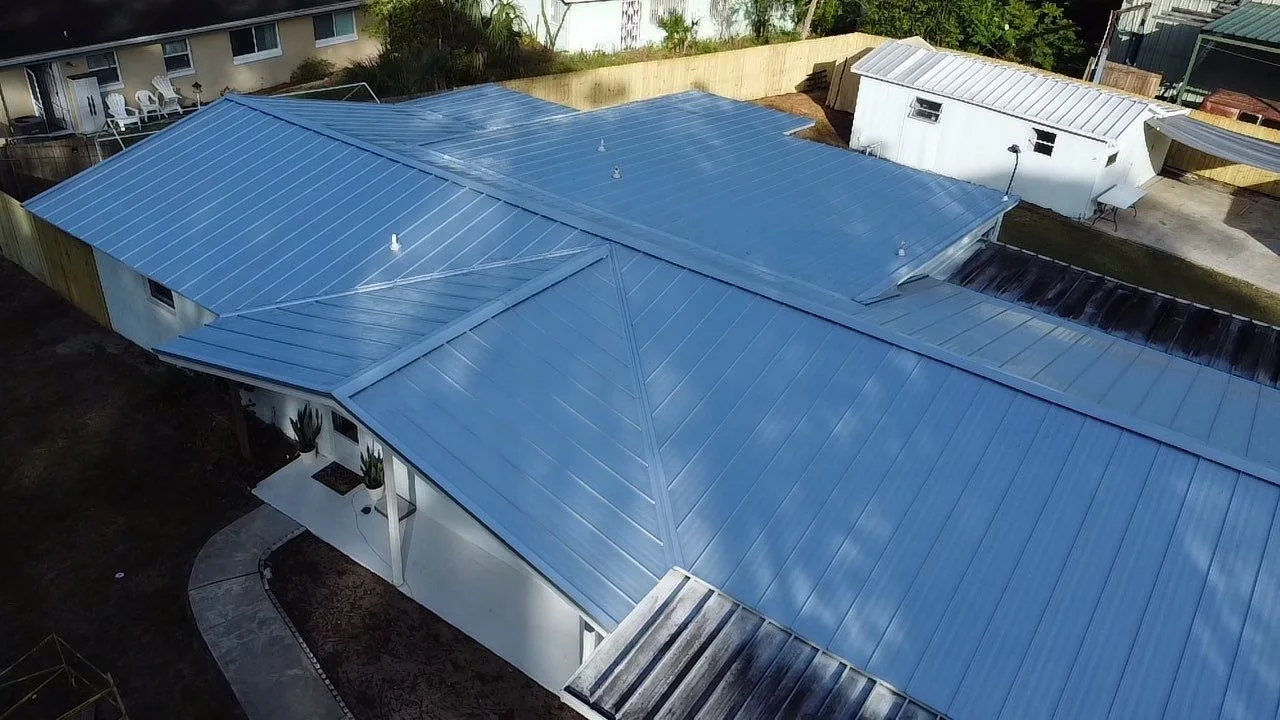
Metal Roofing: The Coastal Winner (If Done Right)

Metal roofing performs exceptionally well in salt air, IF you choose the right metal and coatings.

What works in Daytona Beach/Ormond Beach:

  • Stone-coated steel: Best balance of durability, wind resistance, and corrosion protection. Steel core with stone coating and protective finish resists salt air while providing hurricane-strength performance.
  • Aluminum (marine-grade): Naturally corrosion-resistant, but ensure marine-grade specifications and proper coatings. Standard aluminum corrodes in salt air.
  • Copper: Excellent coastal performance, develops protective patina, extremely expensive but lasts 50+ years even oceanfront
  • Galvalume steel with Kynar coating: Good performance if coating remains intact. Any scratches or damage allow salt air corrosion to start.

What FAILS in coastal environments:

  • ❌ Bare galvanized steel (rusts rapidly in salt air)
  • ❌ Painted steel without marine-grade coating
  • ❌ Cheap aluminum with thin coatings
  • ❌ Any metal roofing with exposed fasteners (fastener points = corrosion entry)

Expected lifespan:

  • Stone-coated steel: 40-50 years beachside, 50+ years near-coast
  • Marine-grade aluminum: 40-50+ years even oceanfront
  • Copper: 50-70+ years all coastal zones

Critical installation detail: All fasteners MUST be stainless steel. Standard galvanized fasteners rust through in 10-15 years, causing roof failure even when the metal roofing itself is sound.

Tile Roofing: Beautiful But Challenging

Tile roofs are popular in Daytona Beach and Ormond Beach for their aesthetic appeal and hurricane resistance. But coastal tile roofing has specific requirements.

What works:

  • Concrete tile: Holds up well to salt air, heavy enough for wind resistance, affordable
  • Clay tile: Excellent coastal performance, naturally resistant to salt degradation, premium aesthetic
  • Stone-coated steel “tile”: Tile appearance, metal durability, lighter weight, excellent coastal performance

Critical coastal tile considerations:

  • Underlayment quality: Tile looks beautiful for 50 years, but if you use cheap felt underlayment that fails in 15 years, you’re paying $30,000-$50,000 to replace perfectly good tile just to access failed underlayment. Use synthetic underlayment rated for 30-40 years minimum.
  • Fastener corrosion: Tile attachments corrode in salt air. Stainless steel fasteners mandatory for beachside properties.
  • Wind resistance: Tiles must be mechanically fastened, not just foam-adhered. Coastal winds will lift improperly secured tiles.
  • Structural capacity: Tile is heavy (900-1,200 lbs per square). Older beachside homes may need structural reinforcement.

Expected lifespan:

  • Tile itself: 50+ years even oceanfront
  • Underlayment: 30-40 years with synthetic (15-20 with felt)
  • Fasteners: 40-50 years with stainless steel (10-15 with galvanized)

The Fastener Issue Everyone Ignores

This is the #1 way coastal roofs fail prematurely, and most homeowners never know until it’s too late.

Standard galvanized roofing nails:

  • Inland lifespan: 20-30 years
  • Beachside lifespan: 8-12 years
  • Oceanfront lifespan: 5-8 years

What happens when fasteners corrode:

  1. Nails rust from inside out (you can’t see it)
  2. Nail heads deteriorate, losing holding power
  3. Shingles begin lifting in wind
  4. Water infiltrates nail holes
  5. You have roof failure while shingles still look fine

The solution for Daytona Beach/Ormond Beach:

  • Stainless steel fasteners: 40-50+ year lifespan even oceanfront
  • Hot-dipped galvanized (minimum): Better than standard galvanized, 15-20 year beachside lifespan
  • Ring shank design: Better holding power in wind
  • Proper length: Adequate penetration even as decking experiences moisture swelling/shrinking

Cost difference: Stainless fasteners add approximately $500-$1,200 to typical roof replacement. Avoiding premature roof failure? Priceless.

Distance from Ocean: The Critical Factor Nobody Explains

Your home’s distance from the Atlantic Ocean dramatically affects every roofing decision. Here’s the breakdown contractors should give you but rarely do.

Zone 1: Oceanfront (0-0.5 miles from beach)

Properties affected: Homes directly on A1A, streets immediately east of A1A, oceanfront condos

Environmental challenges:

  • Maximum salt air exposure (constant salt-laden wind)
  • Highest wind speeds and turbulence
  • Direct hurricane impact (no buffering)
  • Extreme humidity (ocean proximity)
  • Fastest material degradation

Material recommendations:

  • Best: Stone-coated steel or marine-grade aluminum – 40-50 year lifespan, excellent wind resistance, corrosion protection
  • Good: Impact-resistant shingles with stainless fasteners – 18-22 year lifespan, requires premium installation
  • Premium: Copper or high-end tile with stainless fasteners – 50+ years, highest upfront cost

Installation requirements:

  • Stainless steel fasteners mandatory (not optional)
  • Synthetic underlayment required (felt fails too quickly)
  • 150 mph wind rating minimum
  • Enhanced edge protection and flashing
  • Annual maintenance inspections recommended

Typical costs (oceanfront):

  • Premium shingles: $18,000-$28,000 (2,000 sq ft home)
  • Stone-coated steel: $22,000-$35,000
  • Marine aluminum: $25,000-$40,000
  • Tile (with proper underlayment): $35,000-$60,000

Zone 2: Beachside (0.5-2 miles from beach)

Properties affected: Most of beachside Daytona Beach and Ormond Beach east of US-1/Ridgewood Avenue, Peninsula neighborhoods

Environmental challenges:

  • Significant salt air exposure
  • Elevated wind speeds
  • High humidity levels
  • Moderate material degradation
  • Hurricane vulnerability

Material recommendations:

  • Best: Impact-resistant shingles or stone-coated steel – Good balance of cost and performance
  • Good: Quality architectural shingles with proper fasteners – Acceptable with correct specifications
  • Premium: Metal or tile for longest lifespan – Higher upfront, best long-term value

Installation requirements:

  • Stainless or hot-dipped galvanized fasteners (stainless preferred)
  • Synthetic underlayment strongly recommended
  • 130 mph wind rating minimum
  • Proper ventilation essential
  • Bi-annual inspections recommended

Typical costs (beachside):

  • Standard architectural shingles: $12,000-$18,000 (2,000 sq ft)
  • Premium impact-resistant: $14,000-$22,000
  • Stone-coated steel: $20,000-$32,000
  • Metal roofing: $22,000-$38,000

Zone 3: Near-Coast (2-5 miles from beach)

Properties affected: West of US-1/Ridgewood to approximately I-95, mainland Ormond Beach west of Tomoka River

Environmental challenges:

  • Mild salt air exposure
  • Standard Central Florida wind patterns
  • Normal humidity levels
  • Some material considerations needed
  • Reduced but present hurricane risk

Material recommendations:

  • Best: Quality architectural shingles – Standard Central Florida roofing applies with minor coastal considerations
  • Good: Any premium roofing material – All options perform well at this distance
  • Consider: Upgraded fasteners – Not mandatory but extends lifespan

Installation requirements:

  • Hot-dipped galvanized fasteners minimum (stainless upgrade optional)
  • Synthetic underlayment preferred (felt acceptable)
  • 110-120 mph wind rating acceptable
  • Standard ventilation adequate
  • Annual inspections sufficient

Typical costs (near-coast):

  • Architectural shingles: $12,000-$16,000 (2,000 sq ft)
  • Impact-resistant upgrade: $14,000-$20,000
  • Metal roofing: $18,000-$30,000

Zone 4: Inland (5+ miles from ocean)

Properties affected: West of I-95 in Daytona Beach, most of DeLand, inland Ormond-by-the-Sea areas

Standard Central Florida roofing applies.** Salt air is no longer a significant factor. Focus shifts to heat, humidity, and summer storm preparedness typical of inland Florida properties.

Hurricane Preparation for Daytona Beach & Ormond Beach Roofs

Hurricane season runs June 1 – November 30, but Daytona Beach and Ormond Beach require year-round hurricane readiness. Your roof is your first line of defense.

Wind Resistance: What the Ratings Actually Mean

Shingle wind ratings explained:

  • 110 mph rating: Adequate for inland Florida, insufficient for direct coastal exposure
  • 130 mph rating: Minimum for beachside properties, good for most Daytona/Ormond homes
  • 150 mph rating: Recommended for oceanfront, excellent for all beachside properties

What impacts actual wind resistance:

  • Shingle quality and rating (baseline)
  • Fastener type and placement (critical)
  • Roof pitch (steeper = better wind resistance)
  • Edge protection (drip edge, starter courses)
  • Exposure (oceanfront vs. sheltered by buildings)
  • Installation quality (most important factor)

Installation details that matter in hurricanes:

  1. Proper nailing pattern: 6 nails per shingle minimum (4 is standard inland). High-wind areas benefit from 6-nail pattern.
  2. Adhesive activation: Hand-sealing starter course and first few courses ensures immediate wind resistance (adhesive strips take weeks to activate fully in cooler weather)
  3. Edge protection: Metal drip edge properly installed prevents wind uplift starting at roof edges
  4. Hip and ridge securement: These are most vulnerable to wind damage. Proper installation critical.
  5. Valley protection: Properly installed valley flashing prevents water intrusion during heavy rain

What to Do Before Hurricane Season

Annual pre-season inspection checklist:

  • Loose or damaged shingles: Wind catches edges of compromised shingles
  • Flashing condition: Check around chimneys, vents, skylights for separation or corrosion
  • Gutter attachment: Loose gutters become projectiles in high winds
  • Tree trimming: Remove branches within 10 feet of roofline
  • Debris removal: Clean gutters, remove accumulated leaves/debris from roof
  • Ventilation check: Ensure soffit vents, ridge vents are clear and secure

Common Daytona Beach/Ormond Beach pre-hurricane mistakes:

  • ❌ Waiting until hurricane is forecast (too late, contractors overwhelmed)
  • ❌ Ignoring small issues (“It’s just one shingle”)
  • ❌ Skipping professional inspection (DIY misses hidden problems)
  • ❌ Not documenting roof condition (needed for insurance claims)
  • ❌ Delaying repairs hoping to avoid cost (small repairs = $200-$500, major storm damage = $5,000-$25,000+)

Post-Hurricane Inspection Protocol

After any named storm or significant wind event:

  1. Exterior visual inspection (from ground): Look for obvious damage, missing shingles, displaced flashing, debris impact
  2. Interior inspection: Check ceilings, attic for water stains, active leaks
  3. Document everything: Photos from multiple angles, date/time stamps
  4. Emergency tarping if needed: Prevent secondary water damage (call contractor with 24/7 storm response)
  5. Professional inspection: Licensed contractor assessment within 48-72 hours
  6. Insurance notification: File claim promptly if damage found

Daytona Beach/Ormond Beach storm response reality:

After major hurricanes, local contractors are overwhelmed. Homeowners with established contractor relationships and documented pre-storm roof condition get priority service. Those scrambling to find help wait weeks for temporary repairs, months for permanent solutions.

Establish your contractor relationship before storm season. Pinnacle’s Storm Response program provides documented 4-hour emergency response for active leaks, same-day inspection for major damage, 24-hour follow-up for moderate assessments. Beachside Daytona and Ormond Beach properties receive priority scheduling.

Maintenance: Coastal Properties Need Different Schedules

Inland Central Florida roofs can go years between professional inspections. Daytona Beach and Ormond Beach roofs cannot. Salt air doesn’t take vacations.

Recommended Maintenance Schedules by Zone

Oceanfront properties (0-0.5 miles):

  • Professional inspection: Annually (before hurricane season)
  • Homeowner visual check: Quarterly
  • Gutter cleaning: Quarterly minimum (salt buildup accelerates)
  • Debris removal: After every significant wind event
  • Fastener inspection: Every 5 years (checking for corrosion)

Beachside properties (0.5-2 miles):

  • Professional inspection: Every 12-18 months
  • Homeowner visual check: Bi-annually
  • Gutter cleaning: Bi-annually
  • Debris removal: Annually and after major storms
  • Fastener inspection: Every 7-10 years

Near-coast properties (2-5 miles):

  • Professional inspection: Every 2 years
  • Homeowner visual check: Annually
  • Gutter cleaning: Annually
  • Debris removal: As needed
  • Fastener inspection: Every 10-15 years

What to Look for During Homeowner Inspections

Coastal-specific issues to watch:

  • Shingle granule loss: Look for bare spots, exposed asphalt (accelerated by salt air)
  • Curling or cupping: Shingle edges lifting or curling downward
  • Rust stains: Orange streaks indicate fastener corrosion
  • Flashing separation: Gaps between flashing and roof/wall connections
  • Biological growth: Green/black streaks (algae, mold) especially on north-facing slopes
  • Gutter corrosion: Rust, holes, separation from fascia
  • Soffit/fascia deterioration: Rot, paint failure, separation

When to call a professional immediately:

  • Any active leak or water stains inside
  • Multiple missing or damaged shingles
  • Visible sagging or structural issues
  • Extensive rust staining
  • Flashing completely separated
  • After any hurricane or named tropical storm

The Maintenance Cost Reality

Annual maintenance budget (Daytona/Ormond Beach):

  • Oceanfront: $500-$1,000/year (inspections, minor repairs, cleaning)
  • Beachside: $300-$600/year
  • Near-coast: $200-$400/year

Compare to cost of neglect:

  • Premature roof replacement: $15,000-$40,000
  • Interior water damage from delayed repairs: $3,000-$15,000
  • Structural rot from prolonged leaks: $5,000-$25,000+

The math is clear: $500/year in preventive maintenance beats $20,000 in premature replacement and water damage repairs.

Insurance Considerations for Coastal Roofing

Professional coastal roof inspection Daytona Beach Ormond Beach maintenance service

Homeowners insurance for beachside Daytona Beach and Ormond Beach properties operates under different rules than inland coverage. Your roof’s age, condition, and materials directly impact your ability to get, and keep, insurance.

The Roof Age Insurance Challenge

What Daytona Beach/Ormond Beach homeowners face:

  • 15-year rule: Many insurers won’t cover roofs over 15 years old in coastal zones (vs. 20-25 years inland)
  • Wind mitigation discounts: Impact-resistant shingles, proper installation can reduce premiums 10-25%
  • Citizens Property Insurance: Last resort insurer, significantly higher premiums ($4,000-$8,000/year vs. $2,500-$4,000 standard market)
  • Inspection requirements: Some insurers require roof inspections for coastal properties over 10 years old

How roof materials affect insurance:

  • Impact-resistant (Class 4) shingles: 10-20% premium discount
  • Metal roofing: 15-25% discount (excellent wind/impact resistance)
  • Tile roofing: 10-15% discount (impact resistance, durability)
  • Standard shingles: No discount, higher premiums in coastal zones

Wind Mitigation Inspections

Florida homeowners can request wind mitigation inspections that may reduce insurance premiums:

What inspectors evaluate:

  • Roof covering type and wind resistance rating
  • Roof-to-wall attachment (clips, straps)
  • Roof deck attachment (nail spacing, penetration)
  • Roof geometry (hip vs. gable, number of stories)
  • Secondary water resistance (sealed roof deck)
  • Opening protection (impact windows, shutters)

Potential premium reductions:

  • Comprehensive wind mitigation features: 30-45% reduction
  • Partial mitigation: 15-25% reduction
  • Cost of inspection: $75-$150
  • ROI: Often pays for itself within 1-2 years

When to get wind mitigation inspection:

  • After complete roof replacement (especially if upgrading materials)
  • When buying a beachside home (may reveal existing mitigation features)
  • If insurance premiums seem high (you may have features you’re not getting credit for)
  • Before considering insurance changes (know your discount eligibility)

The Proactive Replacement Strategy

For Daytona Beach/Ormond Beach homeowners with 12-15 year old roofs:

Waiting until your roof fails or insurance demands replacement puts you in a reactive position. Proactive replacement between years 12-15 offers advantages:

  • Insurance flexibility: Easier to maintain standard market coverage (vs. forced to Citizens)
  • Contractor availability: Schedule during off-season, better pricing and attention
  • Material selection: Time to research and choose optimal coastal materials
  • No emergency stress: Planned project vs. crisis management
  • Financing options: Better terms when you’re not under pressure

The cost difference:

  • Proactive replacement (year 12-15): $15,000-$25,000 (quality materials, proper installation)
  • Emergency replacement (after failure or insurance demand): Often same cost but with rushed decisions, limited contractor options, potential temporary housing costs
  • Plus: Citizens Property Insurance increase = $1,500-$4,000/year extra in premiums

Choosing a Coastal Roofing Contractor in Daytona Beach & Ormond Beach

Not every roofing contractor understands coastal roofing. The contractor who does great work in DeLand may not know proper beachside specifications. Here’s what to look for.

Essential Questions for Coastal Roofing Contractors

About coastal experience:

  1. “How many beachside roofs have you installed in the past 3 years?” (Want 20+ minimum)
  2. “What fasteners do you use for oceanfront vs. beachside properties?” (Should specify stainless vs. hot-dipped galvanized based on distance)
  3. “What underlayment do you recommend for coastal applications and why?” (Should recommend synthetic, explain lifespan advantages)
  4. “How do you account for salt air when selecting materials?” (Should have specific material specifications)

About installation standards:

  1. “What wind rating do you install to for beachside properties?” (Should say 130-150 mph minimum)
  2. “Do you use a complete roofing system or mix-and-match components?” (Complete system = all components engineered together)
  3. “How do you handle ventilation in coastal environments?” (Should address higher humidity)
  4. “What’s your fastener spacing and pattern for high-wind zones?” (Should exceed Florida Building Code minimum)

About credentials:

  1. “What’s your Florida CCC license number?” (Verify at myfloridalicense.com)
  2. “What manufacturer certifications do you hold?” (Atlas, CertainTeed, etc.)
  3. “Can I see your current insurance certificates?” (General liability and workers’ comp)
  4. “Do you have recent beachside references I can contact?” (Should have verifiable local projects)

Red Flags for Coastal Roofing

Warning signs to avoid:

  • ❌ “Fasteners are all the same” (they’re absolutely not in salt air)
  • ❌ “Felt underlayment is fine for the coast” (it degrades 2x faster)
  • ❌ “110 mph wind rating is plenty” (not for beachside exposure)
  • ❌ Can’t explain material differences for coastal vs. inland (lack of knowledge)
  • ❌ Quotes significantly below competitors (cutting corners somewhere)
  • ❌ Pressure to sign immediately (legitimate contractors don’t use high-pressure tactics)
  • ❌ No local beachside references (inexperience or poor results)
  • ❌ Won’t provide written specifications (verbal promises are worthless)

What Pinnacle Does Differently for Coastal Properties

Our coastal roofing specifications:

  • Distance-based material selection: We assess your property’s distance from ocean and recommend appropriate materials, not one-size-fits-all
  • Complete Atlas roofing systems: Every component, underlayment, shingles, ventilation, fasteners, engineered to work together, not piecemeal selection
  • Stainless steel fasteners standard for oceanfront and beachside properties (optional upgrade for near-coast)
  • Synthetic underlayment included as standard on all coastal shingle roofs (not an upcharge)
  • 130+ mph wind rating minimum for all beachside installations
  • Atlas PRO+ Diamond Select certification: Top 1% of Atlas installers nationwide, ensuring expert installation of the industry’s best shingle roofing system

Coastal property experience:

  • 400+ beachside and oceanfront roofs completed
  • Daytona Beach and Ormond Beach projects spanning from oceanfront condos to near-coast single-family homes
  • Documented understanding of salt air impact at varying distances
  • Storm response experience including multiple hurricane responses

Emergency response for coastal properties:

  • 4-hour emergency response for active leaks
  • Same-day inspection for major storm damage
  • 24-hour follow-up for moderate damage
  • Beachside Daytona/Ormond Beach properties receive priority during high-demand periods
  • Established relationships with insurance adjusters familiar with coastal claims

Frequently Asked Questions About Coastal Roofing

How much more does roofing cost at the beach vs. inland?

Oceanfront and beachside roofing typically costs 15-30% more than identical work inland due to:

  • Material upgrades: Stainless fasteners, synthetic underlayment, impact-resistant or metal roofing
  • Wind rating requirements: 130-150 mph rated materials vs. 110 mph standard
  • Installation complexity: Higher wind exposure requires more careful installation
  • Permit costs: Coastal building codes may require additional engineering

Typical cost ranges (2,000 sq ft home):

  • Oceanfront premium shingles: $18,000-$28,000 (vs. $12,000-$18,000 inland)
  • Beachside quality shingles: $15,000-$22,000 (vs. $12,000-$16,000 inland)
  • Coastal metal roofing: $25,000-$40,000 (vs. $18,000-$30,000 inland)

The upfront premium pays off in longer lifespan and better hurricane performance. Cheap coastal roofs fail prematurely, requiring expensive emergency replacements.

For oceanfront properties (0-0.5 miles), stainless steel fasteners are absolutely essential, not upselling.

Fastener lifespan in salt air:

  • Standard galvanized: 5-8 years oceanfront, 8-12 years beachside
  • Hot-dipped galvanized: 12-18 years oceanfront, 15-20 years beachside
  • Stainless steel: 40-50+ years all coastal zones

If your shingles last 20-25 years but your fasteners corrode in 8-10 years, you’ll need complete roof replacement just to address fastener failure. That’s $18,000-$25,000 to replace a roof that should have lasted another 10-15 years.

Cost difference: Stainless fasteners add $500-$1,200 to typical roof replacement. Avoiding one premature replacement more than pays for the upgrade.

Our recommendation:

  • Oceanfront (0-0.5 miles): Stainless steel mandatory
  • Beachside (0.5-2 miles): Stainless steel strongly recommended
  • Near-coast (2-5 miles): Hot-dipped galvanized minimum, stainless optional upgrade

Roof lifespan in coastal environments depends on distance from ocean, materials chosen, and installation quality:

Architectural shingles (quality installation):

  • Oceanfront: 18-22 years
  • Beachside: 22-25 years
  • Near-coast: 25-28 years
  • Compare to inland: 30-35 years

Impact-resistant shingles:

  • Oceanfront: 20-24 years
  • Beachside: 24-27 years
  • Near-coast: 27-30 years

Metal roofing (stone-coated steel or marine aluminum):

  • Oceanfront: 40-50 years
  • Beachside: 45-50+ years
  • Near-coast: 50+ years

Tile roofing:

  • Tile itself: 50+ years all zones
  • Underlayment (synthetic): 30-40 years
  • Fasteners (stainless): 40-50 years

The lifespan difference between coastal and inland is primarily due to salt air corrosion and higher humidity accelerating material degradation.

Metal roofing outperforms all other materials in coastal environments when properly specified:

Best coastal performers (longest lifespan):

  1. Copper: 50-70+ years even oceanfront, minimal maintenance, naturally corrosion-resistant
  2. Marine-grade aluminum: 45-55+ years, excellent salt air resistance
  3. Stone-coated steel: 40-50 years, best value-to-performance ratio
  4. High-end tile (with proper underlayment/fasteners): 50+ years

Good coastal performers:

  • Impact-resistant shingles: 20-27 years depending on distance
  • Concrete tile: 50+ years (underlayment limits to 30-40 years)

Budget-friendly option that works:

  • Quality architectural shingles with stainless fasteners and synthetic underlayment: 18-28 years depending on distance, most affordable upfront, requires proper specifications

The “best” material balances lifespan, cost, aesthetics, and your long-term plans. If you’re staying 30+ years, metal or tile make sense. If you’re planning to sell within 10 years, quality shingles may be more cost-effective.

You can, but only if you understand the compromises and accept shorter lifespan.

Minimum specifications for beachside shingles:

  • 130 mph wind rating (not standard 110 mph)
  • Hot-dipped galvanized fasteners minimum (stainless preferred)
  • Synthetic underlayment (felt will fail in 12-15 years)
  • Proper 6-nail pattern in high-wind zones
  • Algae-resistant coating

With these specifications, quality architectural shingles can last 20-25 years beachside. Skip these specifications, and you’re looking at 12-18 years before problems emerge.

The budget math:

  • Cheap install with shortcuts: $12,000, lasts 12-15 years = $800-$1,000/year
  • Proper coastal specs: $16,000, lasts 22-25 years = $640-$730/year
  • Metal roofing: $28,000, lasts 45-50 years = $560-$620/year

The cheapest upfront option costs the most per year of service. The “expensive” metal roof is actually the best value over time.

The ideal window for roofing in Daytona Beach and Ormond Beach is October through April:

October-November (Best):

  • Hurricane season officially ends November 30
  • Lower humidity, comfortable temperatures
  • Less rain than summer months
  • Good contractor availability

December-February (Good):

  • Coolest, driest months
  • Excellent working conditions
  • Possible slight discount during slower season
  • Some cold snaps may slow shingle sealing

March-April (Good):

  • Warming up, good installation conditions
  • Before summer heat and rain
  • Completed before hurricane season
  • Increasing contractor demand (higher prices possible)

May-September (Workable but Challenging):

  • Daily afternoon thunderstorms
  • High heat stress on crews (slower work)
  • Hurricane season (June 1 – November 30)
  • Installation possible but weather-dependent

Emergency replacements: If you have active leaks or severe damage, don’t wait for the “perfect” season. Emergency tarping prevents water damage while you schedule permanent repairs.

Coastal roof maintenance is more intensive than inland:

Annual maintenance (all beachside properties):

  • Professional inspection before hurricane season (April-May ideal)
  • Gutter cleaning: Minimum twice yearly (quarterly for oceanfront)
  • Debris removal: Remove leaves, branches, accumulated sand
  • Flashing inspection: Check all flashing for separation or corrosion
  • Shingle condition: Look for lifting edges, granule loss, damage
  • Biological growth treatment: Address algae/mold before it spreads

After every significant storm:

  • Visual inspection from ground
  • Check for displaced shingles, flashing, debris damage
  • Interior inspection for water infiltration
  • Document any damage with photos
  • Call for professional assessment if any concerns

Every 5 years (oceanfront/beachside):

  • Comprehensive professional inspection including attic/structural assessment
  • Fastener condition evaluation (check for corrosion)
  • Decking condition assessment
  • Ventilation system review

Warning signs requiring immediate attention:

  • Water stains on ceilings or walls
  • Multiple missing or damaged shingles
  • Rust staining on roof surface
  • Sagging or visible structural issues
  • Extensive biological growth
  • Separated or corroded flashing

This is a complex question with an unfortunate answer: usually no.

What insurance typically covers:

  • Sudden wind damage (hurricanes, tropical storms)
  • Debris impact from storms
  • Lightning strikes
  • Fire damage

What insurance typically does NOT cover:

  • Gradual deterioration from salt air (considered normal wear)
  • Corrosion damage over time
  • Inadequate maintenance
  • Material failure due to age
  • Damage from improper installation or materials

The insurance perspective: Salt air corrosion is considered a known environmental factor of coastal living, not a sudden/accidental event. Insurance covers unexpected catastrophic damage, not predictable environmental degradation.

Why this matters for material selection: Since you’re paying for salt air-related damage out of pocket, choosing materials that resist corrosion (stainless fasteners, synthetic underlayment, quality shingles or metal) is a smart long-term investment, not optional.

What IS covered: If a hurricane damages your roof and subsequent inspection reveals both storm damage and pre-existing corrosion, the storm damage portion is covered. The corrosion isn’t. This is why pre-storm documentation of roof condition is valuable, it helps differentiate new storm damage from existing wear.

Making the Right Decision for Your Daytona Beach or Ormond Beach Property

Coastal roofing in Daytona Beach and Ormond Beach isn’t just about finding the cheapest quote. It’s about understanding the unique environmental challenges your roof faces, choosing materials engineered for salt air exposure, and working with contractors who have actual beachside experience.

The key factors to remember:

  • Distance from ocean dramatically affects material selection and lifespan
  • Salt air corrosion is real, measurable, and expensive if ignored
  • Fastener selection matters as much as shingle quality
  • Proper specifications prevent premature roof failure
  • Annual maintenance is investment, not expense
  • The cheapest option costs the most over time

Questions to ask yourself:

  1. How long do I plan to own this property? (Influences material choice)
  2. How far is my home from the Atlantic? (Determines specifications needed)
  3. What’s my risk tolerance for hurricane damage? (Affects wind rating selection)
  4. Can I afford proper coastal materials, or do I need financing? (Both are valid paths)
  5. Do I have an established contractor relationship for emergencies? (Critical for storm response)

Ready to discuss your specific coastal roofing needs?

Pinnacle Roofing Group has completed over 400 beachside and oceanfront roofs in Daytona Beach, Ormond Beach, and throughout Volusia County. We understand the specific challenges at every distance from the ocean, and we provide honest guidance on material selection based on your property’s location, your budget, and your long-term plans.

Call (386) 631-5566
Visit pinnacleroofinggroup.com
Schedule your free coastal roofing assessment

Serving Daytona Beach, Ormond Beach, and all of Volusia County with specialized coastal roofing expertise since 2019. Atlas PRO+ Diamond Select certified. 400+ five-star reviews. Complete roofing systems engineered for salt air environments.

Unlocking The Truth Behind Your Estimate

5 Common Roofing Scams

Saftey At Your Home