





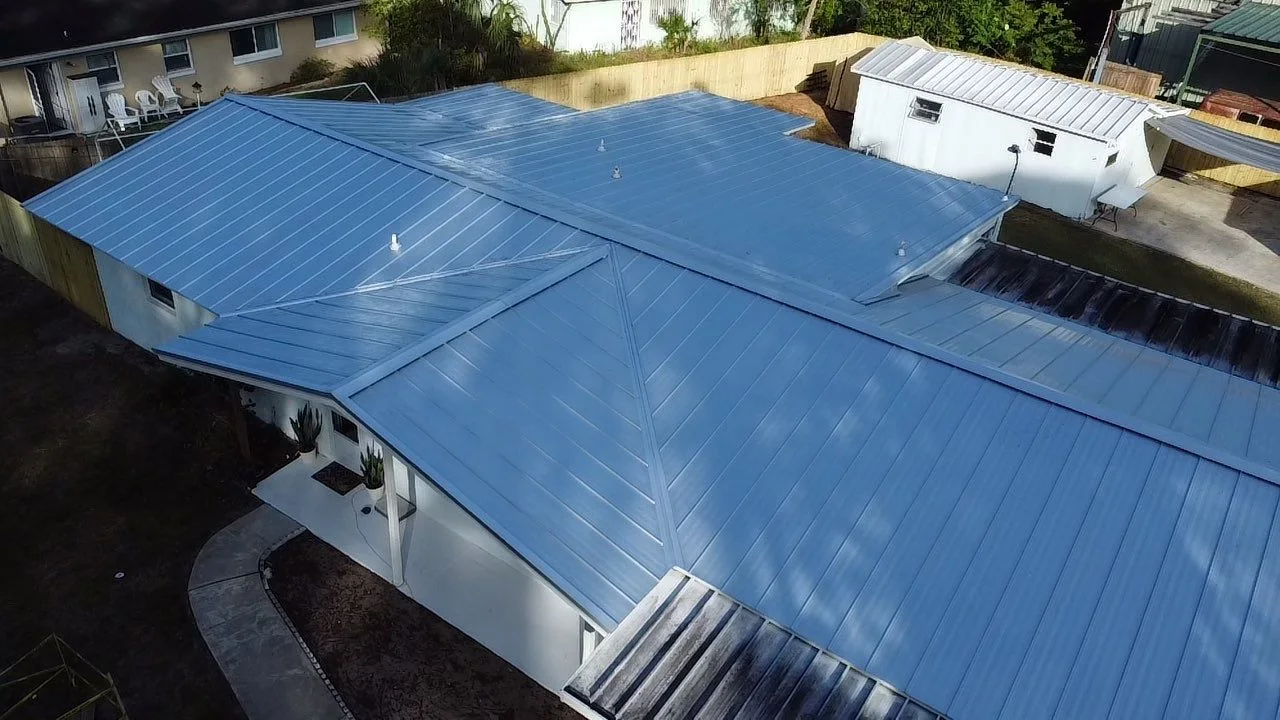
A lake town that guards its water, and the roofs that live beside it
Guarding Lake Conway was the founding purpose in 1924, when Central Floridians organized Belle Isle around the lake and its chain. That first government ended in 1928. Residents rallied again in 1954, when the county tried once more to use the lakes for drainage, and the local government was reinstated. By the 2020 census the city held 7,032 people around Lake Conway, one of the larger lakes in the Orlando area, along with the southern end of Little Lake Conway.
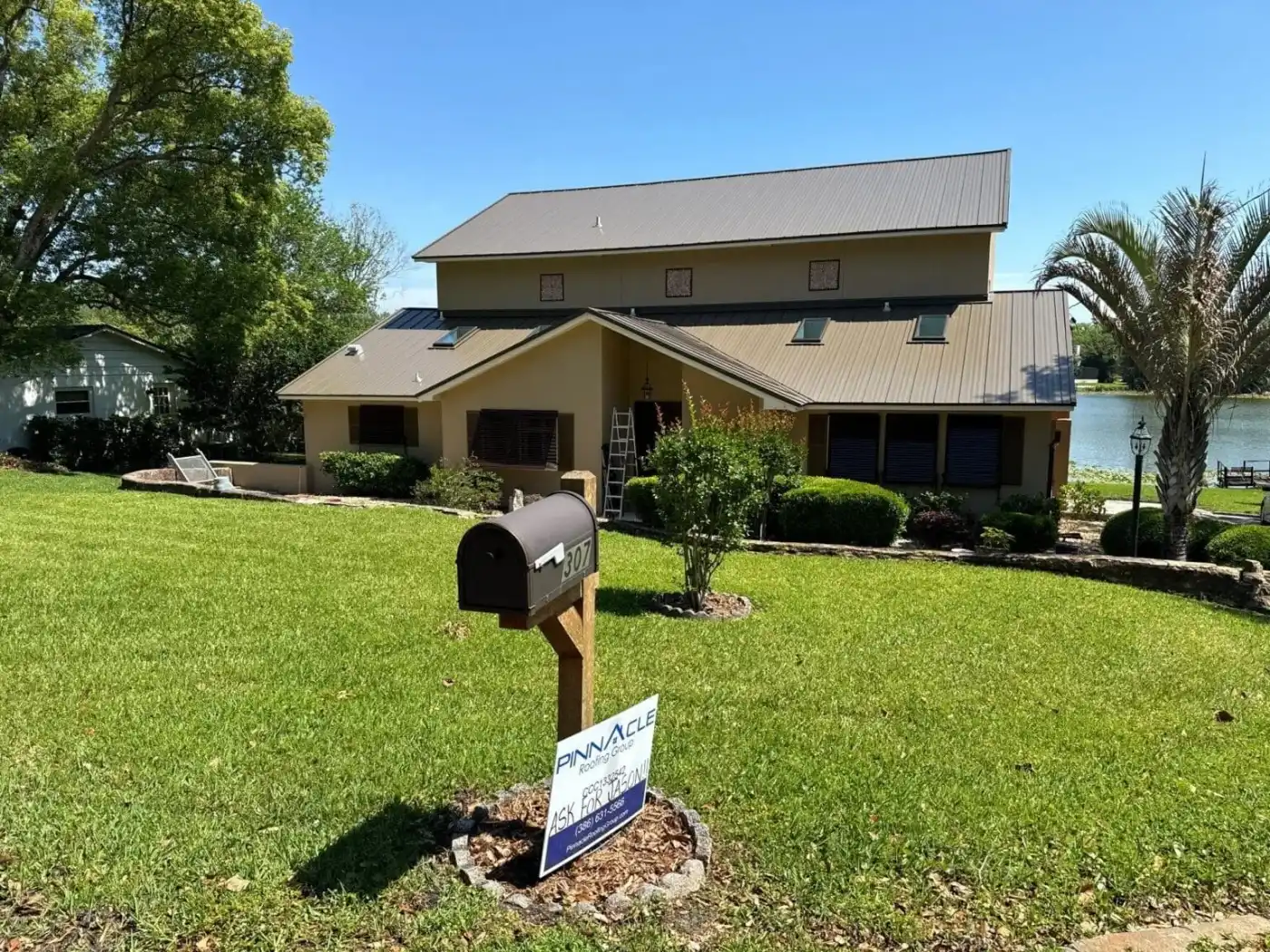
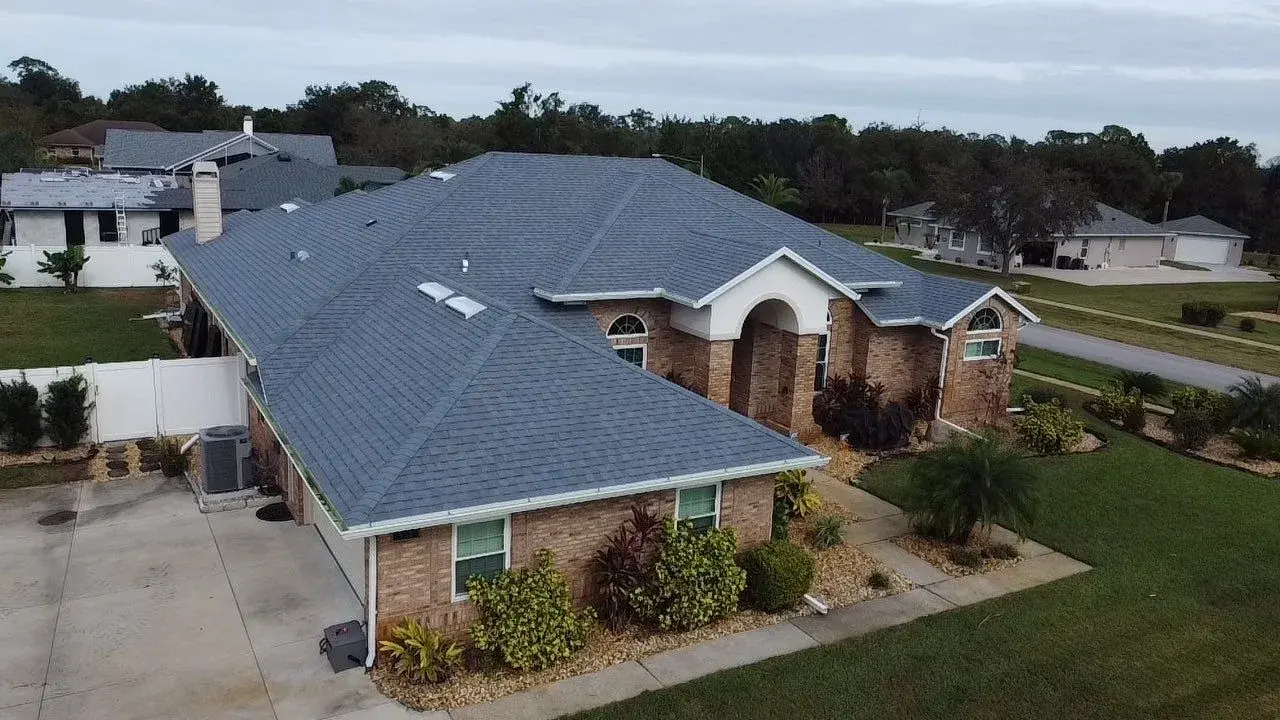
That water shapes what a roof goes through here. Oak limbs shade most lots, the chain keeps the air damp, and the result is moisture that lingers on the shingles and algae that spreads across the slopes the sun rarely reaches. A house fronting Lake Conway or the south end of Little Lake Conway tends to get all of it at once. When Pinnacle assesses a roof in town, the photographs and written scope sort out which of those forces is behind the stains or soft spots the owner noticed, before anyone talks about a tear-off.
Re-roof paperwork stays inside city limits. A Belle Isle address is permitted by the city itself, not the Orange County office, and the city's forms page posts a UES Re-Roof Affidavit drafted by Universal Engineering Sciences, the firm that administers permitting for Belle Isle. Pinnacle assembles the application with that affidavit, submits it and books the inspections. Owners trying to date an existing roof should know that permits from after 2010 sit in the city's own records and do not show up on the county website.
Annexation has redrawn the map since 2010, bringing in Brighton Park and Royal Palm Condominiums, Sienna Place and a portion of Belle Vista. Because Belle Vista was only partly absorbed, two neighbors in that subdivision can answer to different permit offices, so Pinnacle confirms with the city which side of the line a Belle Vista address falls on before anything is submitted. Hoffner Avenue and Nela Avenue both appear on the city's zoning map, a quick reminder that the limits reach well beyond the shoreline.
Check the current permit guidance. Confirm the property jurisdiction and requirements for the actual scope before work begins.
More regional roofing guides
These service guides provide additional planning information. Your roof's size, condition, material and written scope determine its price, not the price of a neighboring city's project.