
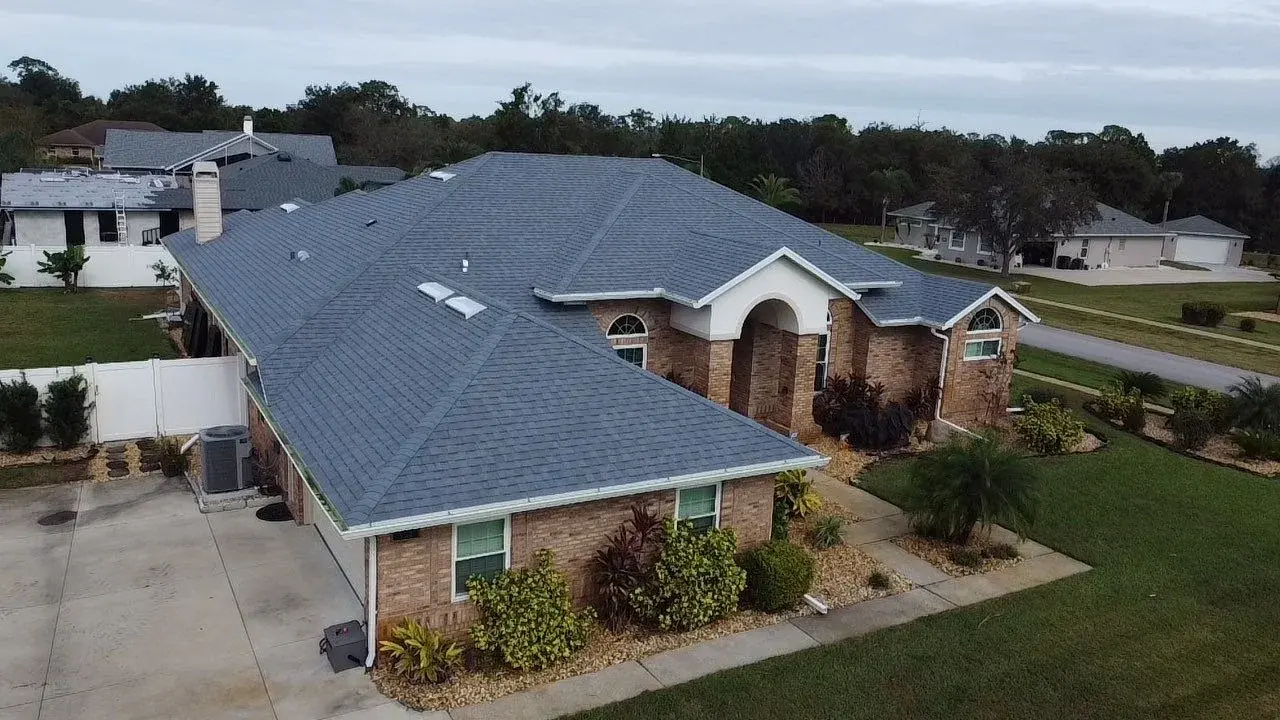





A roof replacement is a useful time to discuss gutters, especially if the existing system leaks, overflows, or gets in the way of planned edge repairs. That does not mean every roof replacement requires new gutters. The decision should come from their condition, the work at the roof edge, and how water will leave the property.
Bring gutter concerns into the roofing conversation early. If separate companies will handle the roof and gutters, give both the same information. These six questions help define the work and the order in which it should happen.
1. Can the existing gutters remain in service?
Ask for an assessment of the current gutters before deciding to replace them. Describe where you have seen overflowing water, leaks at joints, or water running behind a gutter. Ground-level photographs taken safely during earlier conditions can help explain the location.
The assessment should distinguish the condition of the gutter from the condition of the area supporting it. Ask what can reasonably stay, what needs work, and why. If reuse is proposed, clarify whether removal and reinstallation are included or whether the gutters will remain in place during roofing work.
Discuss appearance separately from function. You may want a different color or profile even when the existing system can be retained. Keeping that preference visible helps you understand which part of the proposed work addresses a condition and which part is an optional change.
2. What work is needed at the fascia and roof edge?
Show the contractor any stained, damaged, or uneven areas visible from the ground. Ask who will evaluate the fascia and explain any repairs identified during the project. Some conditions may not be fully visible until materials are removed.
Have the proposal explain what happens if additional work is found. You should know who will document it, how you will receive the information, and which company is responsible for completing the repair. Avoid having the gutter installer arrive while everyone is still deciding who will handle the mounting surface.
The roof edge, fascia, and gutter should be discussed together where their work overlaps. You do not need to select the fastening or flashing details yourself; the contractor should explain the intended arrangement and the requirements that apply to it.
3. Will water from the roof enter the gutter as intended?
Ask the roofer and gutter installer to coordinate the roof-edge detail. The goal is for the assembly to direct runoff into the intended drainage path. A new gutter placed beside a new roof still needs a suitable connection between the two.
The Building America Solution Center describes gutters and downspouts as part of a system that carries rainwater down and away from the home. That means their relationship to the roof and the discharge point both matter. Building America gutter guidance.
If you have observed water running behind the gutter, identify the exact area. Ask how the proposed work addresses that observation and whether another component needs attention. A larger gutter may not answer a question about the edge detail itself.
4. Does the proposed layout fit the runoff and discharge needs?
Review the gutter runs, downspout locations, and intended discharge points on a simple sketch. Mention areas that overflow, erode, or become difficult to walk through during rain. Let the installer evaluate sizing and layout for the roof and site.
Avoid choosing size by appearance alone. The Building America guidance identifies sizing for anticipated water loads and the arrangement of downspouts as design considerations. The contractor should apply those considerations to your house. Gutter and downspout design guidance.
Follow the proposed route all the way to the ground. Ask where water will go after it exits each downspout. Discuss walkways, landscaping, existing drains, and neighboring areas that could be affected. If an existing underground line will be reused, ask how its condition and suitability will be checked.
5. Which contractor needs to finish first?
Have the companies agree on the sequence before either sets a firm arrival time. The appropriate order depends on the work: retaining gutters may create a different plan from removing them for fascia repairs and installing new ones afterward.
Name the person responsible for each handoff. Who tells the gutter company that the roof-edge work is complete? Who moves the appointment if additional repairs or weather change the roofing schedule? Where will materials be stored if they arrive early?
Also discuss the period between removal and installation. Ask how the property will be managed during that interval and what you should report if conditions change. A written schedule can be brief, but it should show which dates are tentative and which event makes the next step ready.
6. What will be checked when both jobs are complete?
Arrange a review of the finished work and any remaining concerns. Ask each company to explain what it has checked and which questions fall within its scope. Keep the invoices and service contacts together so future questions can reach the right person.
Use a shared responsibility sheet:
| Item | Company or person responsible | Completion note |
|---|---|---|
| Gutter assessment and reuse decision | Fill in before work | Keep or replace; reason |
| Fascia or edge repairs | Identify in the scope | Work completed or pending |
| Roofing-to-gutter coordination | Name both contacts | Agreed arrangement |
| Downspouts and discharge | Gutter installer or assigned trade | Locations reviewed |
| Debris and follow-up | Identify each company | Contact for a concern |
Do not treat a blank cell as an agreement. Resolve it while both companies can still adjust their work.
Discuss the roof edge before the schedule is set
If you are considering roof replacement with Pinnacle Roofing Group, mention gutter concerns at the beginning. Ask which related tasks belong in the roofing scope and whether a separate gutter contractor is needed. Clear responsibilities make it easier to plan the work around one property and one drainage system.