
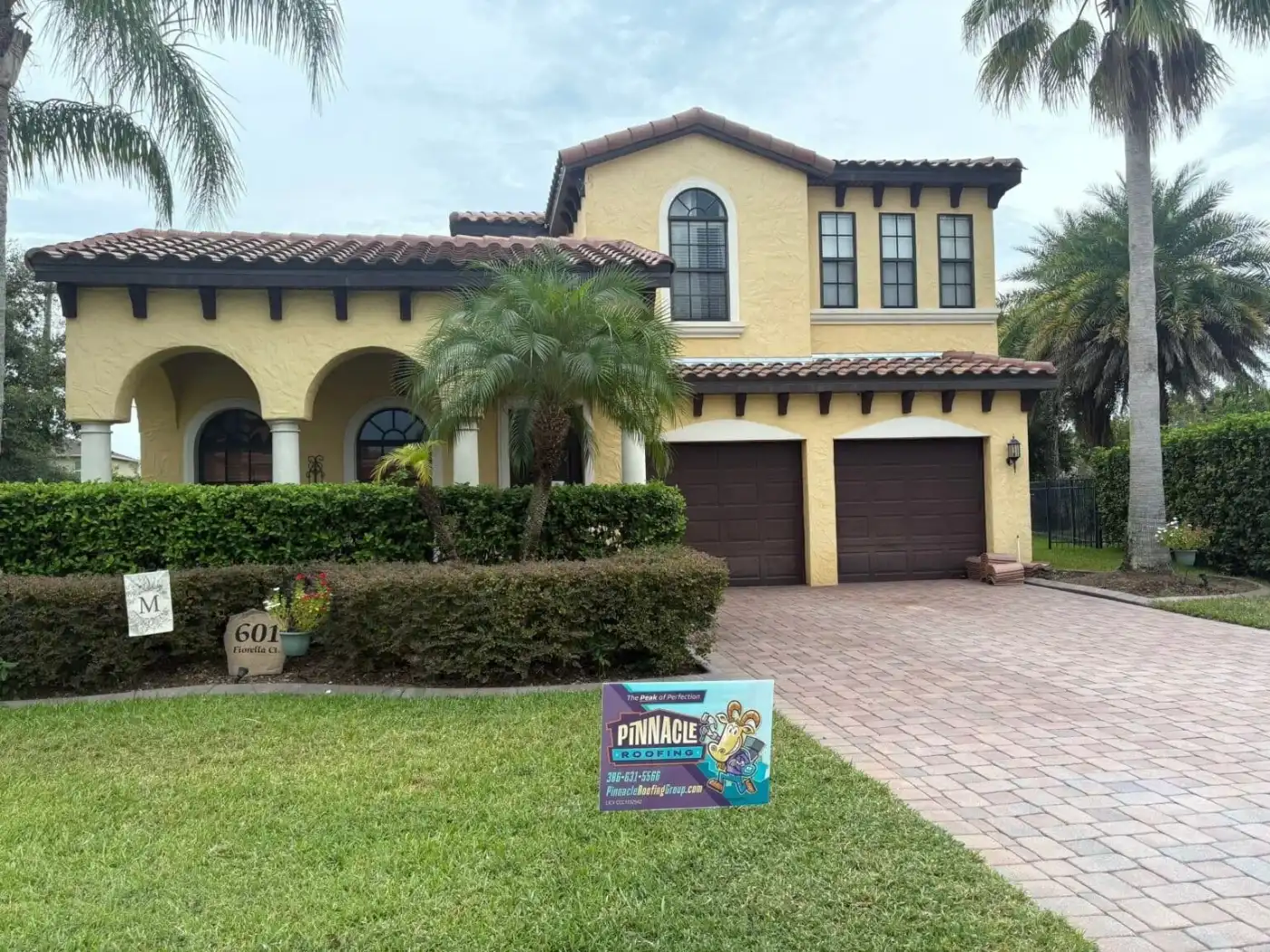





Preparing for roof replacement starts with the spaces the crew will use: the driveway, the route around the house, the area below the roof, and any approved access point indoors. A short property walk with your contractor can turn a generic checklist into a plan that fits your home.
Use these eight steps to organize that conversation. They are preparation suggestions, so confirm the details with the company doing the work. Equipment placement, protection methods, access needs, and cleanup should reflect the actual property and the agreed scope.
1. Choose the delivery and debris-container locations
Walk the proposed locations with the contractor before the delivery truck arrives. Identify where materials will be placed, where the debris container will sit, and how equipment will get there. Mention anything that may be easy to miss, such as irrigation components beside a driveway or a gate with a narrow opening.
Discuss surface protection and who will provide it. If you have pavers, a recently finished driveway, or an area you do not want used, make that clear in writing. Take a few ground-level photographs of the agreed locations so you and the contractor have the same reference.
2. Move vehicles before access becomes restricted
Decide which vehicles you will need during the work and park them in a location the contractor confirms will remain accessible. Include a car inside the garage, a work trailer, or a golf cart that might otherwise be overlooked.
Ask when deliveries or equipment could block the driveway. If you need to leave for work or a school pickup, tell the project contact before the day begins. Moving a vehicle the night before can be easier than trying to work around a delivery already in progress. Keep the agreed route clear until the contractor says it can be used again.
3. Clear movable items from the work area
Ask the contractor to define the area below the roof that needs to be cleared. Move portable furniture, grills, planters, toys, and yard decorations from that area where practical. Let the crew know about anything too heavy, fixed in place, or difficult for you to move.
Be specific about who will handle those remaining objects. “We will protect the patio” can mean different things to different people. Name the item and agree on the method or alternative location. Photograph unusual or delicate items before work begins, especially when they will remain near an active work area.
4. Point out landscaping and outdoor equipment
Show the contractor irrigation heads, exterior lighting, pool equipment, air-conditioning equipment, and plants close to the house. Ask how the work will be organized around them. Do not cover operating equipment yourself without appropriate guidance; the contractor should account for its location in the site plan.
If trimming vegetation or temporarily moving an item is proposed, settle who will do it and what is authorized. Avoid leaving that decision to a hurried conversation after the crew arrives. The goal is to identify the constraints while there is time to plan around them.
5. Make a separate plan for pets and children
Choose where pets will stay and how they will get outside without entering the work area. Tell the project contact if a gate must remain closed. A note on the gate can reinforce the plan, but it should not be the only way the crew learns about it.
For children, arrange a route between the house and your vehicle that the contractor has confirmed is appropriate. Keep outdoor play away from the work zone. If the usual yard or driveway will be unavailable, decide on an alternative before the morning becomes busy. Share the plan with everyone supervising the household.
6. Discuss indoor access and sensitive belongings
Ask whether the contractor needs attic or interior access, where that access is located, and when it may be needed. Clear a practical route only to the areas the contractor identifies. Do not enter an unsafe attic or move equipment that requires professional handling.
Mention fragile wall decorations, attic storage, or sensitive equipment so the contractor can explain any recommended precautions. If you work from home, ask about the expected noise and whether another location would be more practical for important calls. The answer will depend on the work and the way your home is arranged.
7. Align the people who visit your property
Tell household members and expected visitors about the work. Reschedule services that would conflict with the contractor's access plan, such as a lawn visit beside an active debris area. Give delivery drivers a clear alternative drop-off point if the normal entrance will be affected.
A brief heads-up to nearby neighbors can also help when vehicles or deliveries will be visible from shared areas. Share the information you have, without promising a completion time the contractor has not confirmed. If the schedule changes, update the people whose access is affected.
8. Agree on cleanup and the return to normal use
Ask how the crew will collect debris, handle a nail sweep, and tell you which areas are ready to use. Discuss what to do if you find debris after the crew leaves. Do not assume one pass makes every part of a lawn or driveway free of small objects.
The National Roofing Contractors Association recommends written proposals that address responsibility for damage to landscaping and interior finishes. Use that principle to make protection and cleanup responsibilities clear before work begins. NRCA homeowner resources.
Keep this short assignment list with your project information:
| Task | Name to fill in | Confirmed date |
|---|---|---|
| Clear vehicles and movable items | Homeowner or designated helper | Before deliveries |
| Confirm protection and equipment locations | Project contact | Before setup |
| Arrange pets and household access | Household contact | Before work starts |
| Review cleanup and remaining concerns | Homeowner and project contact | At the agreed walkthrough |
Start with a property-specific plan
When discussing roof replacement with Pinnacle Roofing Group, point out the parts of your property that need extra planning. A narrow driveway, a pool enclosure, or a household member who needs reliable access deserves a clear answer before the crew arrives.